

Personal training remains one of the most effective ways to build consistency, improve movement confidence, and work toward long-term physical goals. With the right structure and guidance, it can provide clarity, accountability, and direction that are often difficult to establish on your own.
Despite this, one question is rarely explored in any real depth: how often should you actually work with a personal trainer?
The answer depends on several factors, including your training experience, objectives, recovery capacity, and availability. This guide explores how training frequency typically varies across different individuals and goals, and how Exercise Right approaches programme design to support sustainable progress.
Rather than prescribing a fixed number of sessions, effective personal training focuses on creating a routine that reflects both your current position and your longer-term direction.
Start By Defining Your Goal
One of the most common barriers to progress is starting a training routine without clearly defined goals. Identifying a specific outcome, such as improving strength, enhancing mobility, supporting injury recovery, or changing body composition, provides the foundation for an effective programme.
Without this clarity, training can quickly feel directionless, leading to inconsistent effort, stalled progress, or early burnout. Clear goals create context for each session and enable meaningful, time-based progress measurement.
Goals also influence training frequency and session structure. Some individuals benefit from multiple structured sessions per week, while others progress more effectively with fewer, highly focused sessions supported by independent work.
In some cases, a more intensive approach may be appropriate, particularly when working towards a defined milestone or event within a set timeframe. In other cases, a lower frequency paired with well-designed programming yields greater sustainability.
For this reason, Exercise Right begins with a detailed consultation process. This allows practitioners to understand current ability, movement history, lifestyle demands, and long-term objectives before determining the most appropriate training structure.
How Often Should Beginners Work With a Personal Trainer?
People new to structured training often benefit from working with a personal trainer two to three times per week. This frequency supports skill development, confidence building, and the establishment of consistent habits.
While absolute loads may be lighter at this stage, the risk of injury is more closely linked to unfamiliarity with movement patterns and technique rather than weight alone. Regular, supervised sessions reinforce proper execution and reduce the likelihood of developing compensatory habits.
Over time, structured guidance and ongoing feedback play a significant role in shaping the quality of long-term training. Learning to move well early on lays a foundation that supports future progress and independence.
Beginners often notice improvements in coordination, strength, and motivation within the first few weeks. Consistent training also reduces reliance on willpower as routine and accountability become established.
Many people begin with two to three weekly sessions before transitioning to a more individualised schedule as confidence and competence increase. This phased approach prioritises steady progress while maintaining a strong technical base.
How Often Should Intermediates Book Sessions?
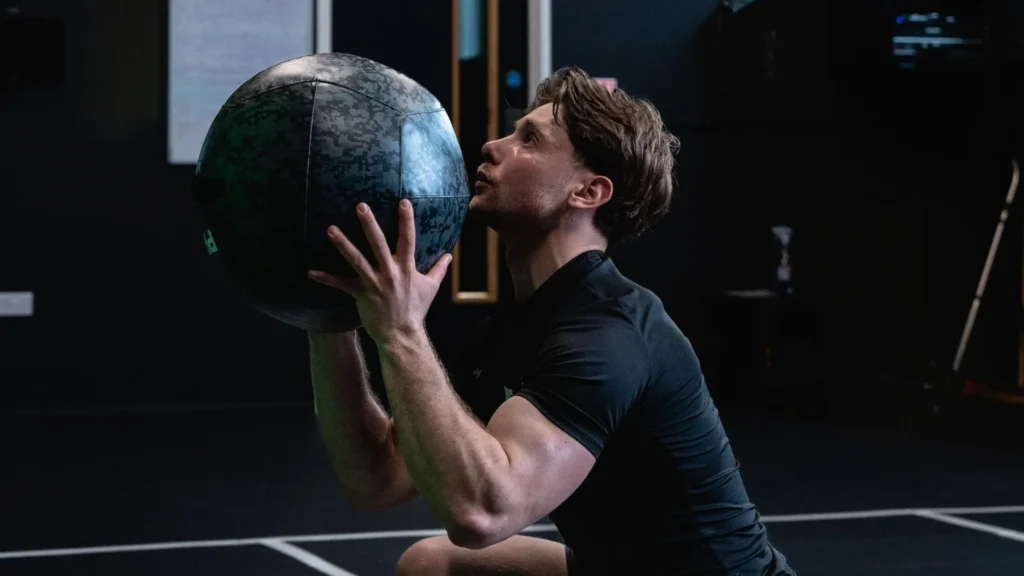
Those with prior training often bring an established routine or a general understanding of structure. Intermediates may be returning after time away, working through a plateau, or seeking to refine technique and efficiency.
In these cases, one to two personal training sessions per week can provide meaningful support. Targeted guidance helps identify limiting factors, improve exercise selection, and ensure progression remains aligned with specific goals.
Because intermediates are typically comfortable training independently, personal training sessions often complement solo work rather than replace it. Some individuals choose to increase session frequency if they value the structure and feedback, while others use sessions strategically alongside independent training.
Sessions at this stage commonly focus on technical refinement, progressive overload, and addressing periods of stagnation. Hybrid approaches that combine coached sessions with self-directed workouts can be particularly effective for maintaining engagement and flexibility.
At Exercise Right, programmes are reviewed and adjusted regularly to reflect performance trends, recovery capacity, and changing priorities. Training frequency is guided by objective outcomes rather than fixed assumptions, allowing it to increase or decrease as required.
This flexibility enables intermediates to remain aligned with their objectives while balancing training with wider life demands.
How Often Should Athletes Or High-Performance Individuals Train With A Personal Trainer?
Athletes and high-performing individuals typically follow bespoke training programmes tailored to their sport, performance goals, and recovery needs. Session frequency may range from two to four times per week, though this varies significantly depending on context.
At this level, frequency is dictated less by general recommendations and more by the specific demands placed on the individual. Training age, competition schedule, injury history, and external load all influence how often coached sessions are required.
Programme design becomes increasingly nuanced, with small adjustments often having a significant impact on performance outcomes. Understanding the individual behind the training is central to long-term success.
Exercise Right practitioners build plans that address multiple performance components, including strength, power, mobility, and endurance. Where appropriate, this may involve collaboration with other services such as physiotherapy, recovery support, or clinical exercise to optimise both output and resilience.
Seasonality also plays an important role. In-season training may prioritise maintenance and movement quality, while off-season periods often allow for higher training volumes and intensity.
Programmes are reviewed frequently to manage load, reduce injury risk, and support long-term development. The overarching aim remains sustainable performance rather than short-term output.
How Often Should You Train With A Personal Trainer For Weight Loss?
Multiple factors, including nutrition, lifestyle, stress, recovery, and training influence weight-loss outcomes. Personal training forms one component of a broader approach.
From a training perspective, two to four sessions per week often strike an effective balance between structure, intensity, and support. This frequency encourages consistency, supports metabolic adaptation, and promotes lean muscle retention.
Training typically combines resistance-based work with conditioning elements to improve energy expenditure while maintaining strength and movement quality. Over time, this approach supports both physical change and improved performance capacity.
Outside of formal sessions, individuals may receive guidance on recovery strategies, activity levels, and behavioural habits that influence long-term outcomes. Some also incorporate complementary movement or recovery-based sessions to support energy management and reduce cumulative fatigue.
A holistic framework ensures that training frequency, recovery, and lifestyle factors work cohesively, supporting sustainable change rather than short-term fixes.
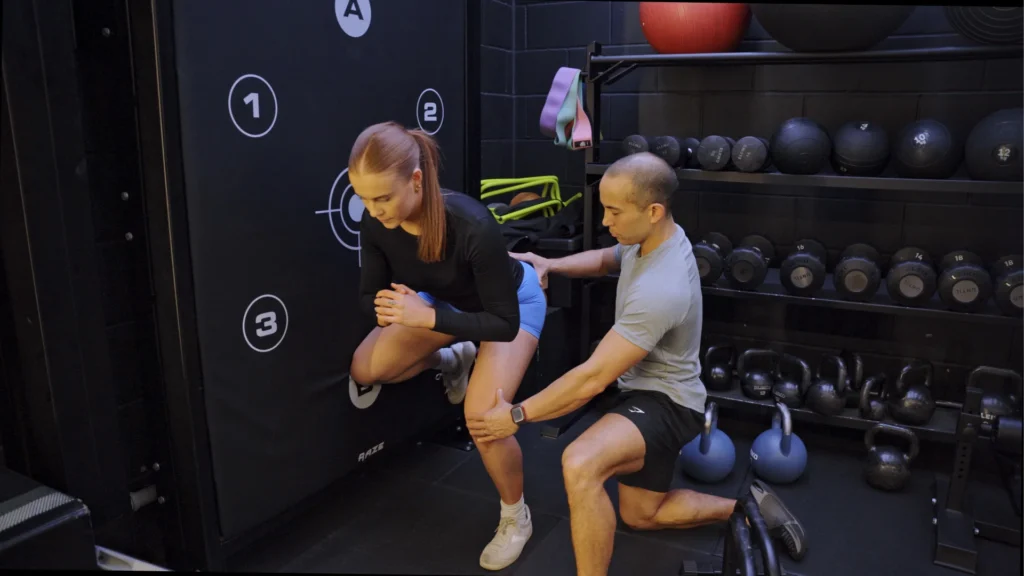
How Long Does It Take To See Results With A Personal Trainer?
The timeline for visible results varies based on starting point, training history, and goals. Advanced athletes may experience more subtle changes, often focused on specific performance metrics rather than broad physical transformation.
Those newer to resistance training frequently notice improvements sooner, as initial adaptations occur relatively quickly. Early changes often relate to movement efficiency, energy levels, and confidence rather than appearance alone.
Within two to four weeks, many people report improved posture, greater familiarity with training, and increased confidence in the gym environment. These changes reflect improved coordination and consistency.
Between six and eight weeks, progress often becomes more tangible. Strength gains, endurance improvements, or visible changes in body composition may begin to emerge, particularly when training is supported by appropriate nutrition and recovery.
Around the twelve-week mark, outcomes often feel more established. Programmes are adjusted to maintain momentum, address plateaus, and continue progression. While individual timelines differ, consistency remains the strongest predictor of positive change.
Should You Train With A Personal Trainer Every Day?
Daily personal training sessions are unnecessary for most individuals. Recovery is a fundamental component of adaptation, with progress occurring during rest and training.
Insufficient recovery increases the risk of overtraining, which can lead to stagnation, fatigue, or injury. Effective programmes balance stimulus with adequate rest.
For those who prefer frequent training, a weekly structure becomes particularly important. A balanced approach may involve two to three higher-intensity sessions paired with lower-intensity movement, mobility work, or guided recovery.
When individuals have greater access to professional support, sessions may be used for technique refinement, active recovery, or mobility-focused work rather than intensive daily training.
This approach allows for higher overall engagement without compromising recovery between primary training sessions.
The Value Of Consistency Over Frequency
Consistency tends to produce better outcomes than short bursts of high-intensity effort. Training regularly over months creates more meaningful adaptations than training daily for a brief period, followed by burnout.
Personal training supports consistency by providing structure, progression, and accountability. Sessions also offer clarity around purpose, helping individuals understand why specific exercises are included and how they contribute to broader goals.
Without this context, training can feel disconnected, with individuals moving through sessions without a clear sense of progression or intent.
For beginners and some intermediates, designing an effective routine independently can feel overwhelming. The volume of information available, combined with conflicting advice, often makes it difficult to identify what is appropriate.
A key aspect of effective coaching lies in adaptability. Programmes are adjusted in response to feedback, performance, and day-to-day readiness, ensuring sessions remain challenging without becoming overwhelming.
Ongoing assessment, load management, and recovery planning help maintain momentum while reducing the risk of fatigue or disengagement. Enjoying the training process and maintaining consistency creates a platform for long-term success.
Frequently Asked Questions
Can I Train With A Personal Trainer Once A Week And Still See Results?
Yes. With appropriate programming and consistency, one session per week can support progress or help maintain momentum. Clear communication of goals enables effective session structure.
Should I Train More Often If I Have A Specific Goal Or Deadline?
In some cases, increasing session frequency can support faster progress. Two to four weekly sessions may be appropriate when working towards a defined timeline, though the approach should remain individualised.
Training structure should reflect the nature of the goal and the individual’s recovery capacity rather than a fixed rule.
Can I Train Independently While Working With A Trainer?
Yes. Many individuals combine coached sessions with independent training. Programming support and technical guidance can help ensure consistency between sessions.
How Long Should I Work With A Personal Trainer?
This depends on individual goals and preferences. Some benefit from short-term support to establish fundamentals, while others value ongoing guidance to maintain accountability and progress.
Working with a trainer for eight to twelve weeks often provides enough time to understand movement patterns, establish a routine, and begin to observe meaningful progress.
Can Personal Training Be Combined With Other Services?
Yes. Integrating personal training with complementary services such as rehabilitation, recovery support, or mobility-focused work can enhance outcomes and reduce injury risk.
Recommendations are typically based on individual goals, training demands, and areas requiring additional support.
How Exercise Right Approaches Personal Training
At Exercise Right, personal training is structured around evidence-informed practice, individual assessment, and long-term progression. The focus remains on building sustainable routines that support both performance and wellbeing.
By combining tailored coaching, structured programming, and appropriate recovery strategies, individuals are supported in progressing at a pace that reflects their needs and goals.
Contact our team if youre looking to start your personal training journey.